Log in Get early access
Let's talk about synthetic audience intelligence
Culture doesn't move in straight lines. Neither should the thing you use to understand it.
×
×
+
+
01
Insights
make the
work better.
But the process of getting them makes everything worse.

Your options are grim.
Option A
A room full of strangers who showed up for the free sandwiches, the $150, and the quiet satisfaction of derailing a two-hour discussion to talk about their dog.
Option B
A survey answered by someone in bed at 10pm, half-watching Gilmore Girls, tapping "agree" with the enthusiasm of someone unsubscribing from an email.
Both technically qualify as "research."
Both technically qualify as a waste of money.
+

02
Then AI rocked up and everyone got excited.
"We'll just ask AI what people think!" Feed it audience data. Ask it a question. Get an answer that sounds right, feels right. Generated in total isolation from the messy, unpredictable, chronically-online world your audience lives in.
A yes-man
with a GPU.
It performs. It sounds plausible. But it's one voice in a vacuum. And people don't form opinions in a vacuum. They form them in reaction to each other, to culture, to what happened on the news this morning.
A synthetic audience that doesn't interact with anything is just a vibe check with better grammar.
×
+
03
ANYWAY
So we built our own research beast.
rabbl is a synthetic audience research platform. 1,000 demographically weighted humans that don't exist, grounded in real census data, consumer research, behavioural economics, and whatever happened on the internet this morning.
We know. Another AI audience tool. Give us a minute.
The difference is
Collision
Every other tool asks synthetic people what they think, one at a time, like a very polite census. rabbl throws 1,000 of them into a room and lets them argue, agree, judge, contradict, and arrive at opinions the way humans actually do: messily, socially, and in direct reaction to each other.
+
04
We simulate the bit that matters: the friction. The cultural tension. The moment someone changes their mind because someone else said something unexpectedly sharp over metaphorical instant coffee.
The themes that come out aren't the ones you'd have guessed. If they were, you wouldn't need us.
It's alive
It's alive
Most research tells you what people thought. Past tense. rabbl pulls live data. Real signals. What's trending, what's shifting, what people are actually talking about right now. Your synthetic audience wakes up in the same world your real audience does. Same news cycle. Same cultural mood.
×
+
05
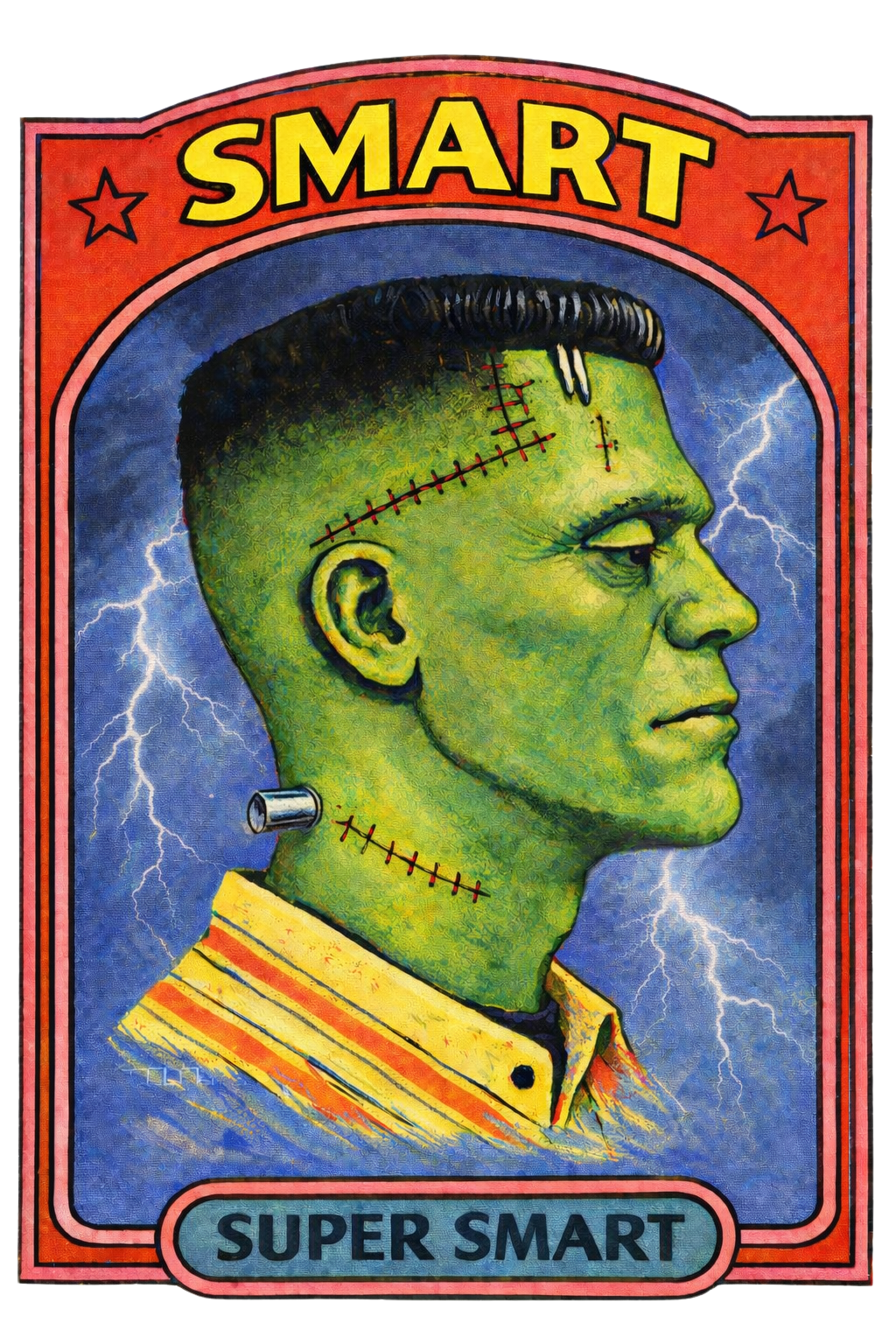
It's Frankenstein,
if Frankenstein had a census dataset and an appetite for consumer research and behavioural economics.
Alive, current, and surprisingly well-informed.
The boring stuff (that's actually not boring)
No data is stored. None. Your brief, your strategy, your competitor intel. Gone after every session. Not archived. Not "anonymised and retained for improvement." Gone.
Won't cost you an arm and a leg either. Traditional research budgets run into tens of thousands before anyone's even booked a facility. rabbl costs less than the sandwiches.
So.
A couple of minutes from brief to insight. No recruitment. No screeners. No two-way mirrors.
No sandwiches.
Just answers.
Get early access